Grassland Reconstruction
WHat’s going on at cornelia fort airpark?
The Cornelia Fort Airpark is part of a habitat reconstruction project that will transform the area from hayfields filled with invasive grasses to beautiful native meadows that will support all kinds of wildlife.
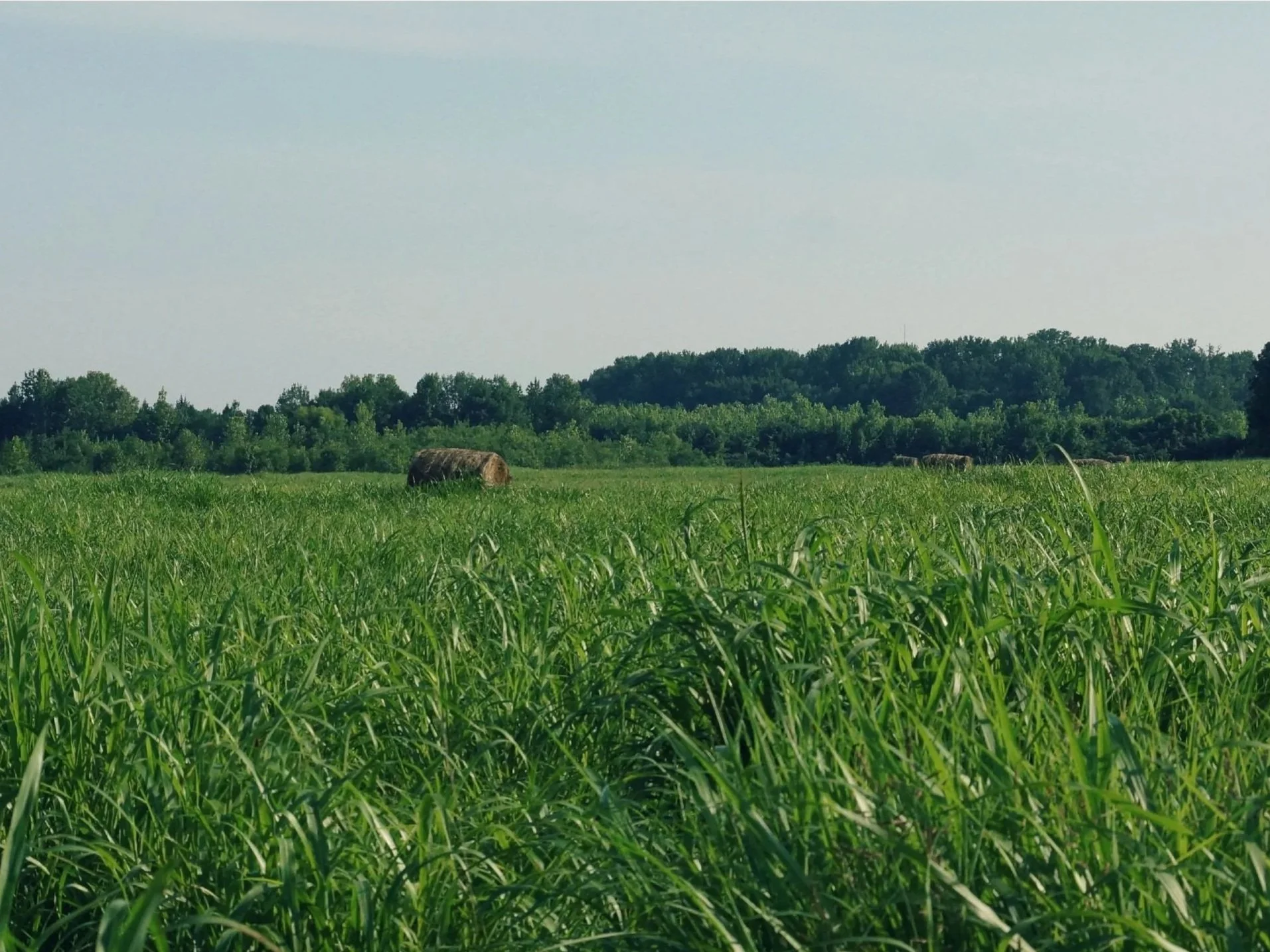
Invasive grass at Cornelia Fort Airpark used to be baled into hay.
An Invasive Ecosystem
Until recently, the fields in and around the Airpark have been shaped by a history of human use. From mowed lawn between airstrips to hayed field and cattle farming, the current habitat is far from a native ecosystem. Invasive grasses like fescue and johnsongrass dominate the landscape, greatly reducing the diversity of plants and animals. This homogenous ecosystem supports far fewer animals, and far fewer species, than a native grassland with a high diversity of plant species.
Who?
Friends of Shelby and the Shelby Bottoms Nature Center are partnering with the restoration ecologists at Southeastern Grasslands Institute (SGI), who will be conducting this project as part of National Fish & Wildlife Foundation’s America’s Ecosystem Restoration Initiative.
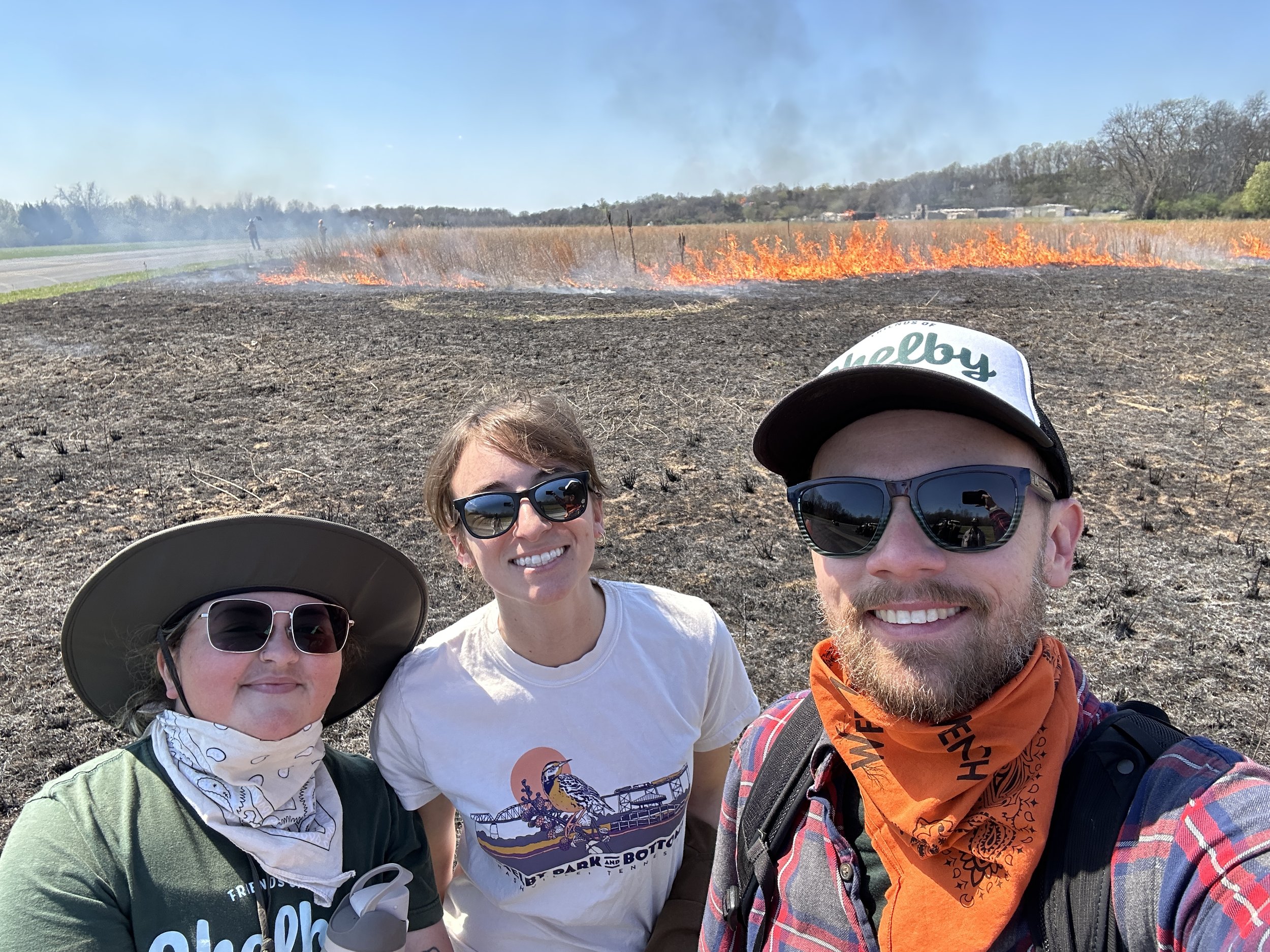
Prescribed burns are a natural and historic tool for maintaining meadow habitat.
What?
SGI is working to reconstruct the airpark into a historic Nashville Basin meadow. The first step is to suppress invasive species with a mixture of aquatic-safe herbicide, prescribed burns, and physical removal. Then, SGI will plant a custom native seed mix of flowering plants and grasses to create a beautiful new meadow.
WHY?
Grasslands are one of the most endangered habitats in the Southeastern United States. A healthy, flowering meadow is not only beautiful to look at, but also supports an incredible diversity of species of birds, pollinators, and other wildlife. The deep root systems of native grasses act as a filter and a sponge, cleaning water on its way to the Cumberland River and absorbing runoff to mitigate flooding.
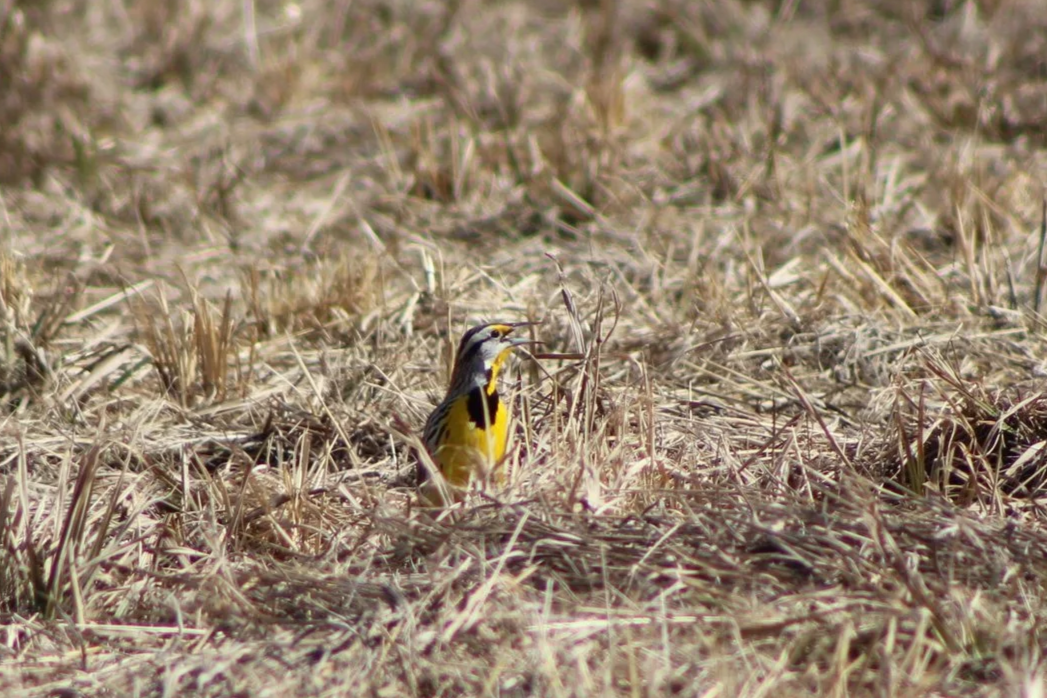
Eastern meadowlarks like this one build nests on the ground in tall grass.
Where?
100 acres of grassland at the airpark are being rebuilt into healthy ecosystem! Cornelia Fort Airpark will serve as one of six “anchor sites” in central Tennessee—a large stretch of habitat that will support threatened grassland species like the eastern meadowlark.
When?
The work has already begun! However, restoration takes time, and the grasslands won’t be transformed overnight. Major progress will be made over the next 2 years. You will be able to observe the stages of restoration as the meadow begins to take root. (Literally.)
The Beginning: Suppressing Invasive Species
To give native plants their best chance of growth and survival, the invasive species along the woody edges of and inside the grassland need to be removed. The first step was a prescribed burn conducted in spring 2025, and in 2026 the professional restoration ecologists at SGI will be using a combination of both aquatic-safe herbicide and mechanical removal to suppress invasive plants.
During this stage, the meadow has to look worse before it can look better. Expect to see little to no growth in the grassland, which was composed of mostly invasive plants, in 2026. Grassland birds like the eastern meadowlarks may nest elsewhere for the season while the reconstruction improves their overall habitat quality and food availability.
“Sleep, Creep, Leap”: Establishing Native Species
Once the seeds of native plants are added to the grassland in early 2027, the meadow will grow and change over 3-4 years as it becomes a healthy, mature grassland ecosystem. Reconstructed grasslands start slow and pick up speed as they go in a pattern called ‘sleep, creep, leap’.
Sleep
The seed mix SGI will plant will include over 100 species of native plants. During the first growing year, a few species of quick-growing annual grasses and flowers will dominate the habitat. Perennials will be small and mostly non-flowering while they establish deep, healthy root systems.
Creep
As the slow-growing plants mature, they will start to replace the quick-growing annual plants. During this stage, a greater variety of flowers and grasses will be visible. Expect to see changes in the types of flowers that dominate the meadow, and an increase in species diversity.
Leap
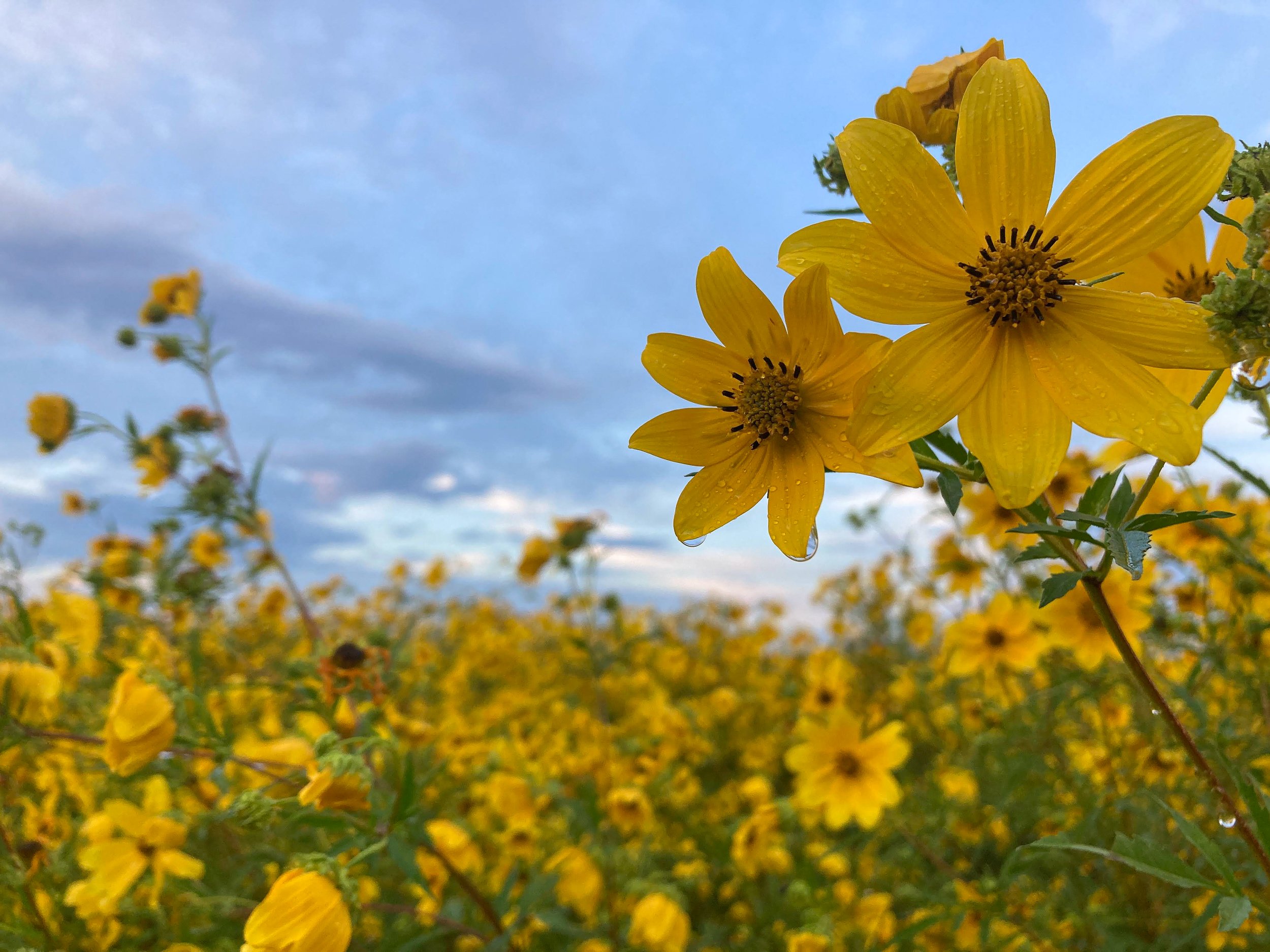
3-4 years after planting, the mature meadow will resemble those that historically grew in the area. There will be a high level of plant diversity, supporting many more species (and numbers) of animals. The meadow will be buzzing with butterflies and bees visiting flowers as well as grassland birds popping in and out of the tall vegetation.